

Gentle Bog Walks in Connemara for Beginners
Explore accessible bog walking trails with minimal elevation. We've picked five routes perfect for building confidence.
Read ArticleLearning to listen to your body makes outdoor walking more enjoyable and sustainable. We'll show you how to recognize when you need a rest and why rhythm matters more than speed.


There's a common myth about walking: the longer you go without stopping, the better your fitness. That's backwards. The truth? It's not about conquering distance. It's about building a rhythm you can sustain.
When you're walking in Connemara—whether it's a gentle bog trail or a lakeside path—your body's telling you things constantly. The trick is learning to listen. A good walk should feel refreshing, not exhausting. You shouldn't finish feeling wrung out.
We've spent years watching people discover this. Most arrive thinking they need to push harder. What they actually need is better pacing and strategic rest points.
Most walkers find their sweet spot within 20-minute intervals. Walk for 20 minutes, take a 3-5 minute break. This isn't laziness—it's smart pacing that lets you walk longer overall.
Your body doesn't need a timer to tell you when you need rest. It's already signalling—you just need to notice.
None of these mean you're weak or unfit. They mean you're human. And they're your cue to rest before you actually need to.
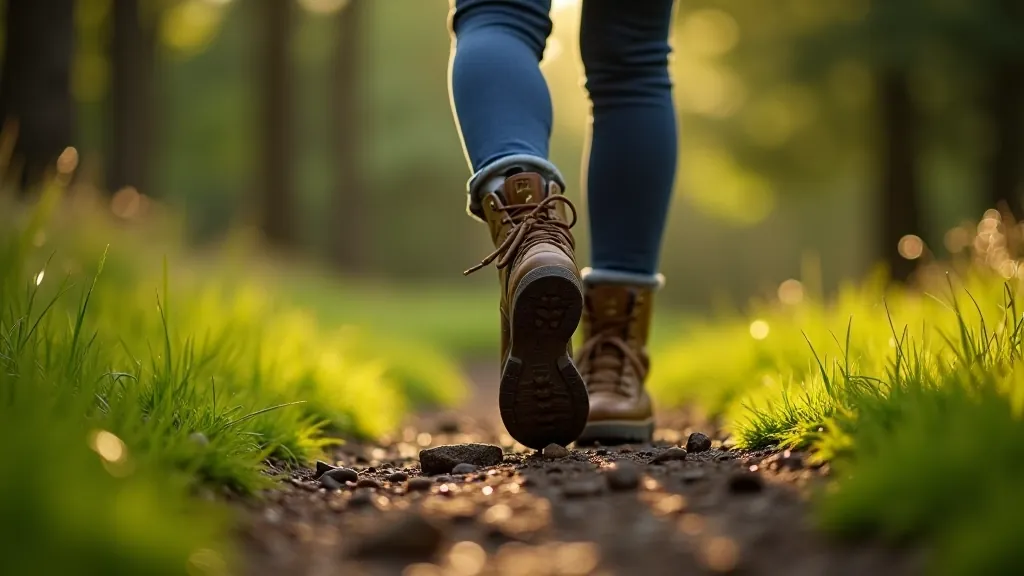
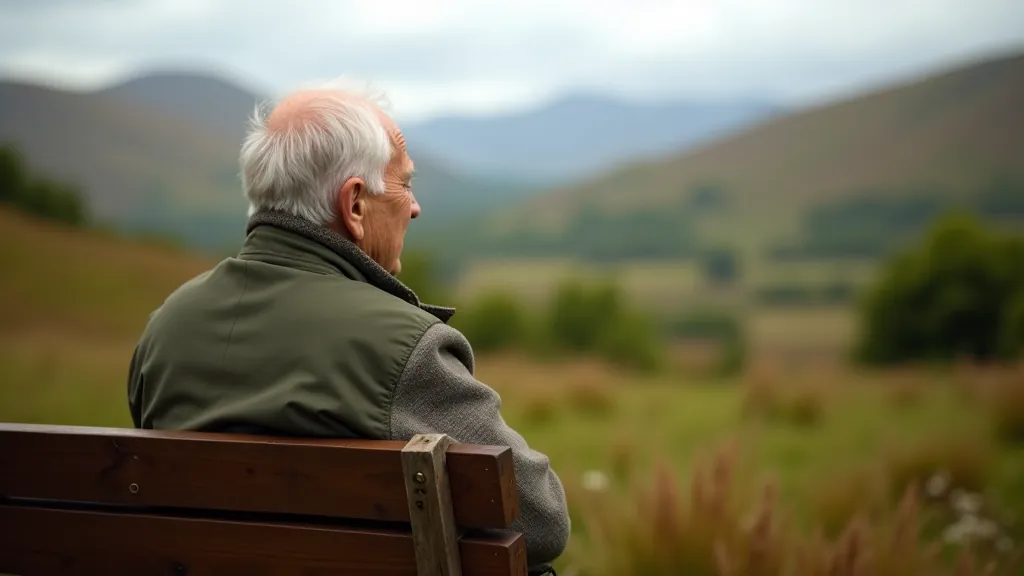
Location matters. You don't want to stop at just any place—you want spots that make the break enjoyable.
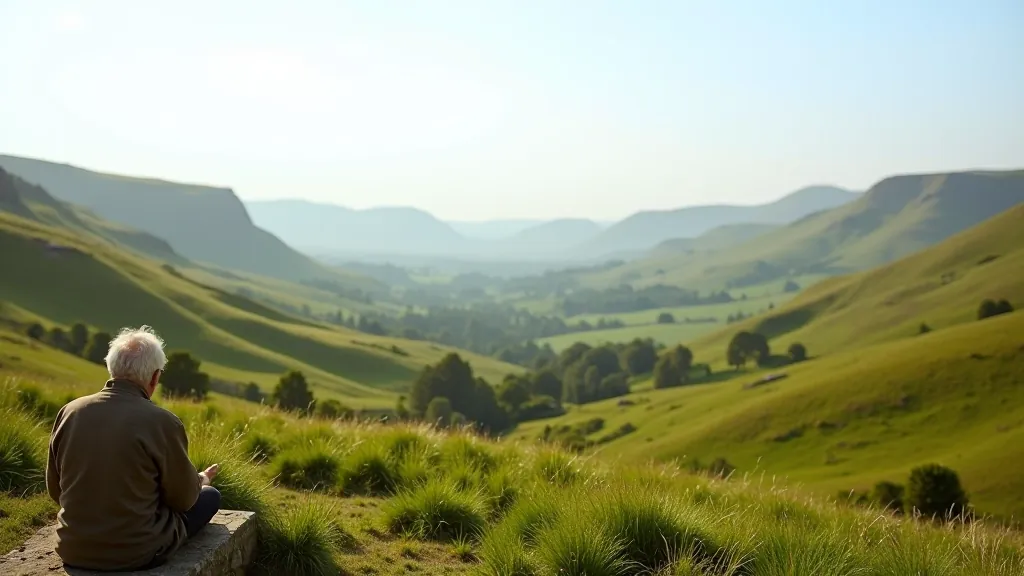
A proper rest spot has a few things going for it. There's something to sit on—a bench, a flat rock, even a sturdy log. It's got a view or something pleasant to look at. Maybe there's shade if it's warm, or shelter from wind. And it feels natural to pause there, not forced.
Around Connemara, you'll find benches at most scenic viewpoints. But don't ignore the unmarked spots. A comfortable rock with a view of the water? That's perfect. An old stone wall you can lean against? Use it.
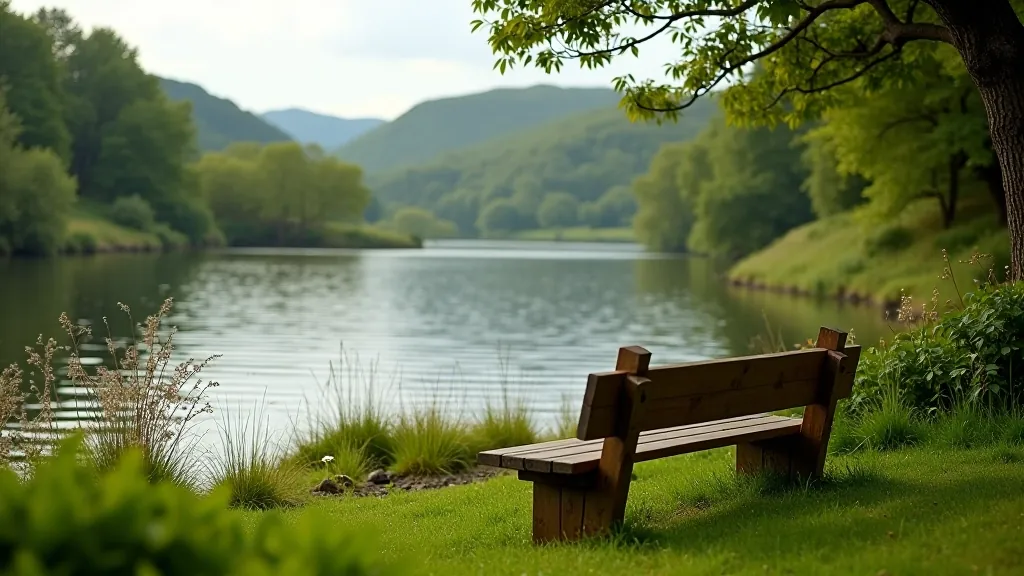
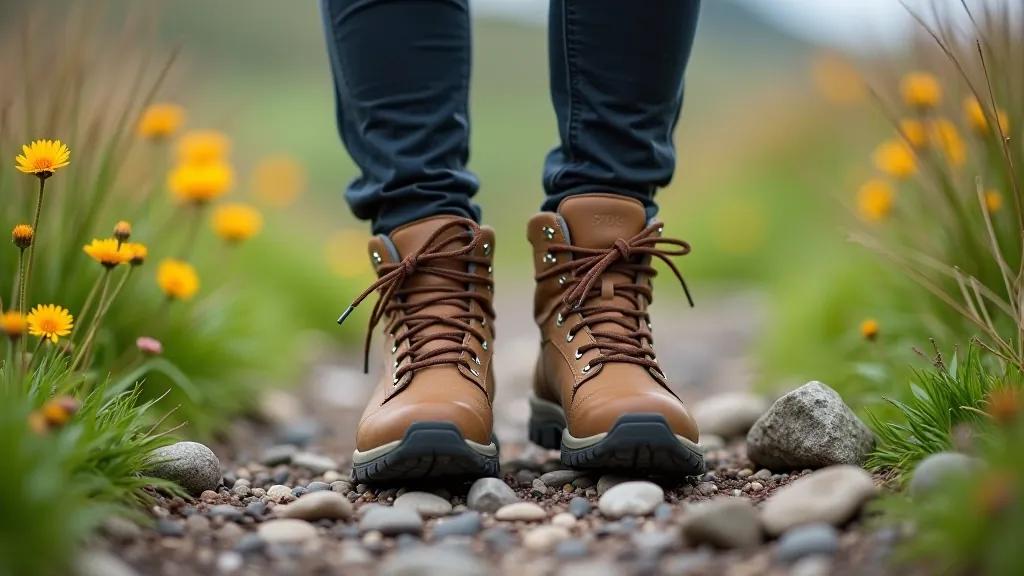
This is where people get confused. You don't need a long break. In fact, a really long sit-down can make getting going again harder.
The sweet spot is 3-5 minutes for most people. That's enough to catch your breath, feel your heart rate settle, and let your legs know they can relax. You're not looking to fully recover—you're just hitting pause.
Walk for 20-25 minutes. Stop for 3-5 minutes. You'll find after about 3-4 of these cycles, you naturally want a longer break. That's when you aim for 10-15 minutes. Grab some water, maybe a snack. Sit properly, let your back rest against something solid.
The beauty of this rhythm? It doesn't feel like you're stopping much at all. You're just pacing yourself intelligently. You'll walk further and feel better afterwards.
This article is informational and based on general outdoor walking practices. Individual fitness levels, health conditions, and physical capabilities vary greatly. If you have any existing health concerns, joint issues, or haven't exercised regularly, consult with your doctor or a physiotherapist before starting a new walking routine. Everyone's body is different—what works for one person may not work for another. Listen to your own body and adjust accordingly.
Pacing isn't about being slow or lazy. It's about being smart. You're building a walking habit that lasts, not sprinting until you burn out.
Start paying attention to your body. Notice when that first little slowdown happens. Find your good rest spots. Build the rhythm that feels right for you. Within a few walks, you'll realize you're covering more distance, enjoying it more, and finishing feeling energized instead of exhausted.
That's when you know you've found your pace.