

Gentle Bog Walks in Connemara for Beginners
Explore accessible bog walking trails with minimal elevation. We've picked five beginner-friendly routes that'll build your confidence without overwhelming your legs.
The right shoes and gear make all the difference when you're walking through Connemara's bogs and lakeside trails. We've cut through the marketing noise to show you exactly what works for outdoor walking in Ireland's wild terrain.
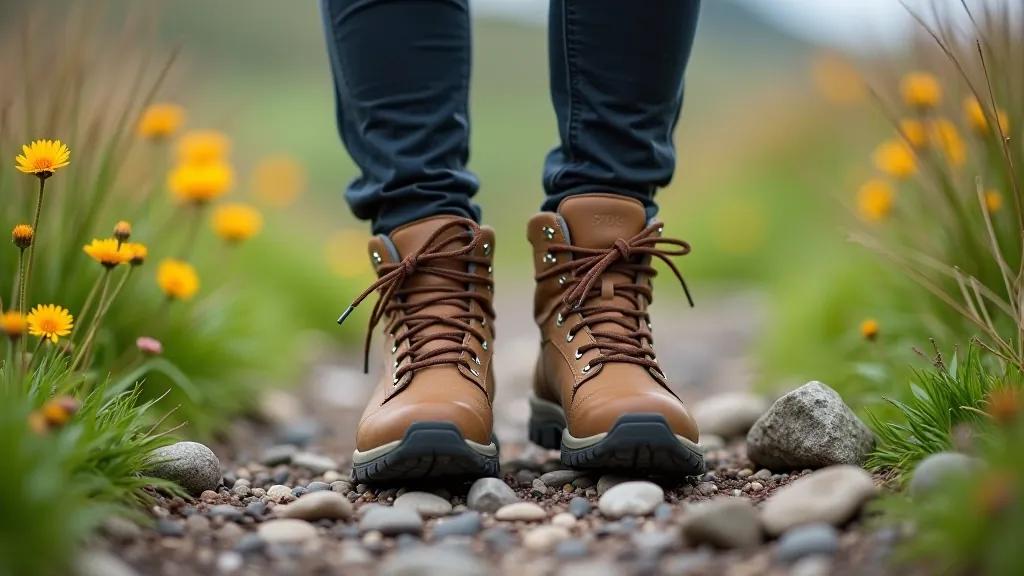
Here's the thing about bog walking — your feet are doing all the work. You're sinking into soft ground, balancing on uneven surfaces, crossing wet patches. If your shoes aren't up to it, you'll feel it in your knees, hips, and lower back within an hour.
We're not talking about expensive gear that costs a fortune. We're talking about the right basics that'll keep you comfortable for a full day outside. The difference between struggling through a walk and actually enjoying it often comes down to three things: grip, support, and water protection.
Most people try to get by with regular trainers or old walking shoes they bought years ago. That's where problems start. After 6-8 months of regular outdoor use, shoes lose their cushioning and grip gets worse. You need something designed for what Connemara actually throws at you.
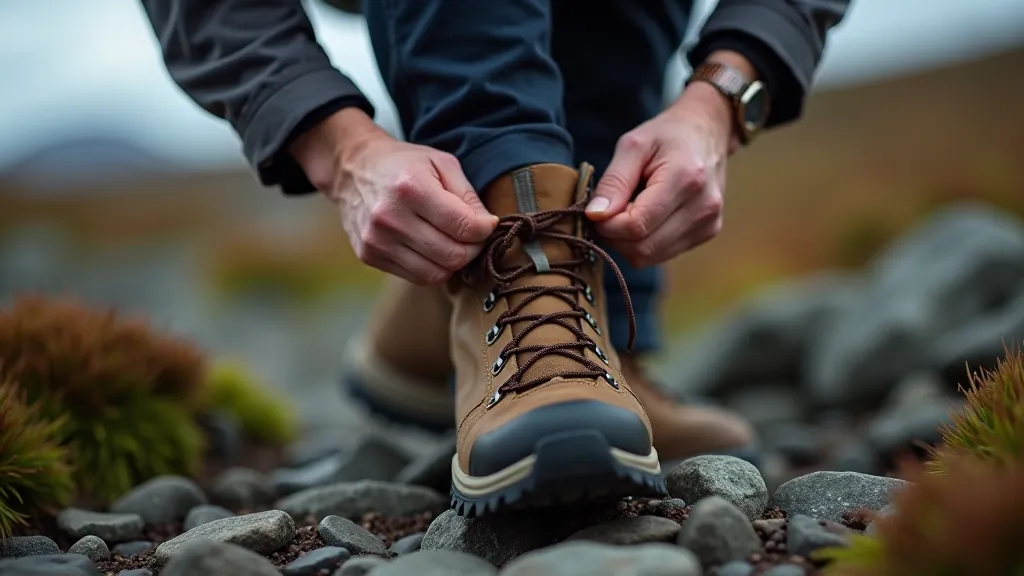

Wet moss and boggy ground don't care how expensive your shoes are. You need deep, aggressive tread patterns — we're talking 3-5mm depth minimum. The best boots have rubber that's specifically designed for wet conditions, not just deep grooves. You'll notice the difference immediately when you're crossing slippery patches.
Bog walking isn't flat terrain. Your ankle rolls slightly with every step on uneven ground. A proper boot with 4-6 inches of ankle coverage prevents injuries and reduces fatigue. You're not climbing mountains, but you need enough support to keep your foot stable when you step on a hidden rock or sink slightly into soft ground.
This isn't optional. Ireland's weather means you'll encounter wet conditions even on days that start dry. Look for boots with genuine waterproof linings — Gore-Tex or similar. Breathability matters too. A boot that's waterproof but traps moisture inside becomes uncomfortable after a few hours. You want your feet dry and comfortable.

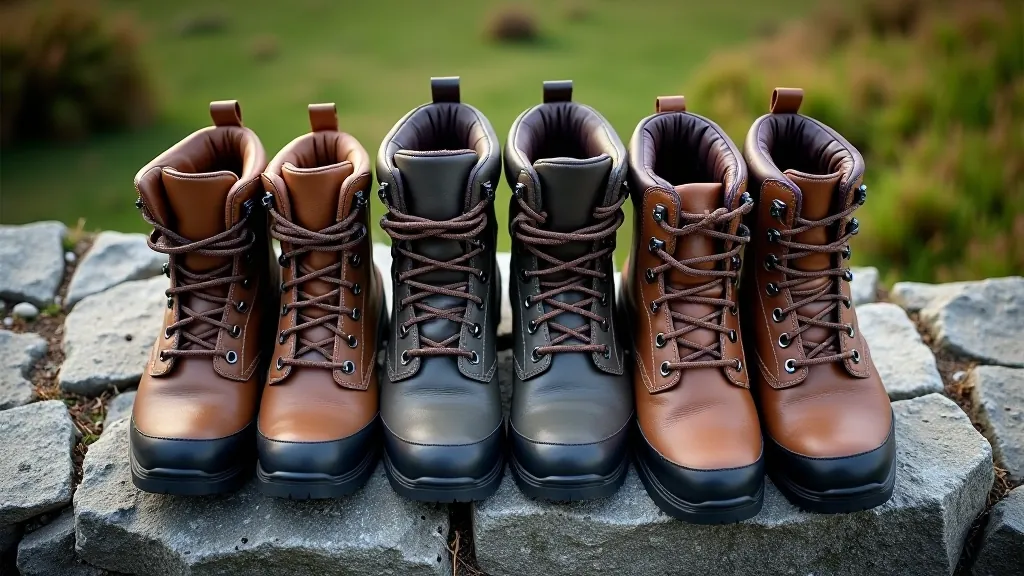
Don't overthink this. You need waterproof walking boots — nothing fancy, nothing extreme. Look for brands that specialize in this stuff: Scarpa, Merrell, Salomon, or even good quality budget options like Craghoppers. Expect to spend €80-150 on a decent pair that'll last 18-24 months with regular use.
Size matters. Your feet swell slightly during activity, so you want a thumb's width of space between your longest toe and the end of the boot. Try boots in the afternoon when your feet are slightly larger. Don't rely on online sizing — go to a proper outdoor shop where someone can watch you walk in them.
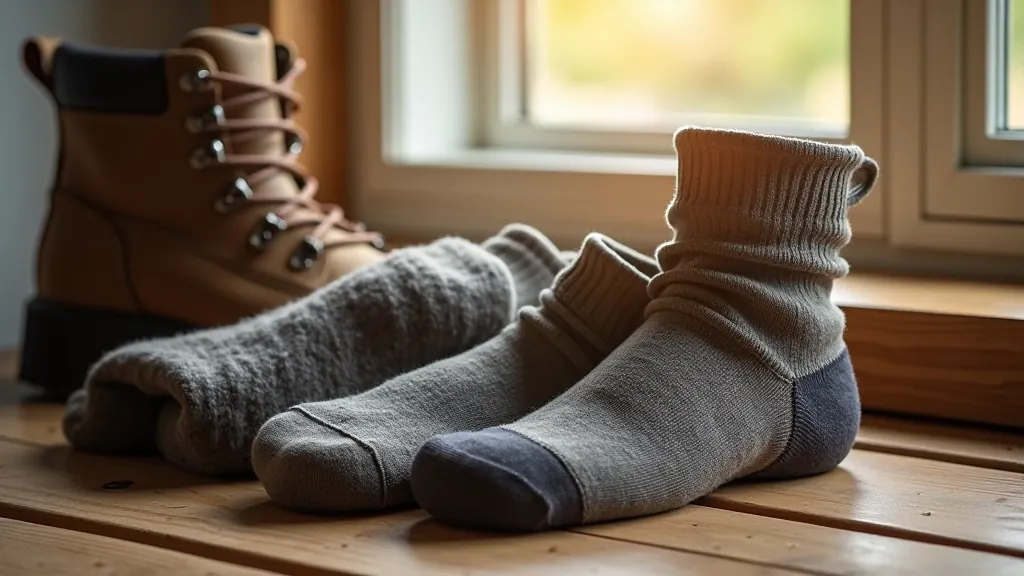
Beyond boots, you'll want moisture-wicking socks — wool blends work best, they're not as scratchy as people think. Cotton is the enemy; it holds moisture and creates blisters. Two pairs of good hiking socks cost about €20 and'll last years. Worth every cent.
A lightweight waterproof jacket. Not a fancy technical thing — just something that stops wind and rain. €40-60 will get you something that works. You don't need every pocket and feature known to mankind. You need it to be easy to pack and pull on when weather changes.
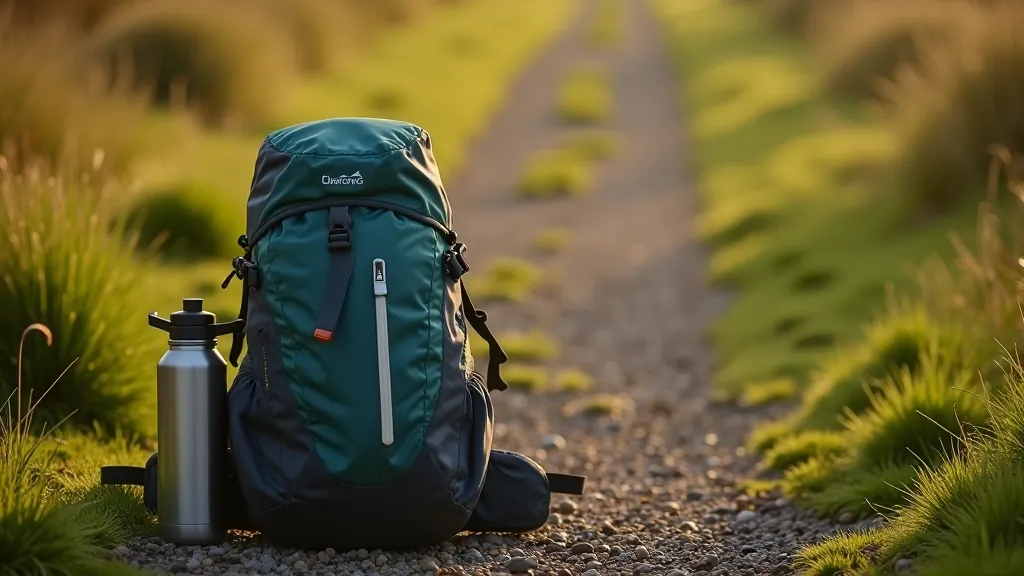
A small backpack, 15-20 liters. You'll carry water, a snack, sunscreen, a basic first aid kit. That's it. Heavy packs ruin walks, especially on uneven terrain. Your knees don't need extra weight bouncing around.
Gaiters. These are cheap (€15-25) and brilliant. They wrap around your ankle and lower leg, keeping mud and water out of your boots. In boggy Connemara, they're genuinely useful. Not essential, but they extend the life of your socks and reduce cleaning time afterward.
A walking pole or two. This isn't about being elderly — it's about mechanics. Poles reduce strain on your knees by 20-30% on uneven ground. They help with balance on slippery surfaces. Adjustable poles cost €30-50 per pair and'll last for years. You'll use them every walk once you get comfortable with them.
This article shares information about outdoor footwear and gear based on experience with Connemara's terrain. Everyone's feet, body, and needs are different. What works brilliantly for one person might not be ideal for another. If you have foot problems, joint issues, or mobility concerns, chat with a physiotherapist or doctor before investing in new gear. They can give you specific advice tailored to your situation. Proper equipment makes outdoor walking safer and more enjoyable — it's worth taking time to get it right for you specifically.
Good footwear and basic gear aren't luxuries — they're the foundation of enjoying outdoor walking. You don't need the most expensive equipment. You need the right equipment. A €100 pair of boots will outperform a €300 pair that doesn't fit your feet properly.
Start with decent boots and good socks. Add a waterproof jacket and a small backpack. If you enjoy walking, add walking poles and gaiters later. Build your kit gradually as you understand what you actually use.
Connemara's landscapes are stunning. The bogs, the lakes, the mountains — they're worth experiencing properly. And you'll experience them so much better when your feet are comfortable and your gear is doing its job. That's what actually matters.